






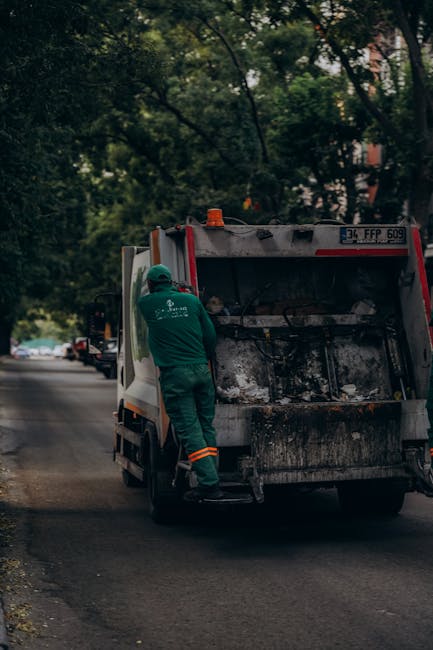
11/10/2026
If you have ever asked for a rubbish clearance quote and then felt your stomach drop when the...
Rubbish Clearance Balham provides rubbish clearance in Balham with a practical focus on removing unwanted items, mixed waste and bulky loads from properties that need a tidy, organised clear-out. The service is suited to everyday domestic jobs, larger property clearances and straightforward commercial removals where customers want a clear, efficient process and a sensible outcome for the space involved.
We handle a range of common clearance tasks, from single-item removals through to fuller collections where waste has built up over time. That can include bagged rubbish, household clutter, old furniture, white goods, garden materials and builder’s debris. The aim is to give customers a straightforward way to clear what they no longer need without turning the job into a long disruption. Use the service when the items are ready to go and you want the clearance handled in one organised visit.
For a quick start, it helps to know what needs removing, whether there are bulky or awkward items, and whether access is simple or tight. If you are planning a property clear-out, a mixed waste collection or the disposal of a few large objects, you can request a quotation once the scope is clear. If you already know the main items, that is usually enough to begin. Tell us what needs clearing and where it is located.
Domestic rubbish collection is often the simplest option when bins are overfilled, rooms need clearing or household items have reached the end of their use. It suits day-to-day waste such as unwanted packaging, broken household goods, old toys, general clutter and mixed items that are awkward to separate at home. The work is focused on practical removal rather than sorting through every item on site, so it helps customers move from cluttered areas to a cleaner layout without unnecessary complication.
Where waste includes a mixture of materials, the collection approach needs to be orderly. Heavy items, reusable household goods and ordinary rubbish are best handled separately so the right disposal route can be chosen. That can be important for waste that is bulky, dusty or heavy to lift. For customers arranging a property refresh, the service can also support a cleaner handover once the unwanted contents have been taken away. Clear access and a simple list of items make the collection easier to organise.
Typical domestic loads may include:
Furniture removal and appliance disposal deal with items that are too bulky to leave with ordinary household waste. Sofas, wardrobes, beds, tables, chairs and similar items often need a clearance method that takes account of size, weight and condition. White goods and other domestic appliances can also require careful handling because they may be awkward to move and may need a suitable disposal route rather than a simple drop-off. This part of the service is useful when a room is being reconfigured or a property is being emptied.
Old furniture is not always all the same kind of job. Flat-pack units, solid wood furniture and upholstered items may need different handling because of weight or shape, and some pieces may need to be dismantled before removal. Appliances also vary, from washing machines and fridges to smaller kitchen units and electrical items. A good clearance plan allows the removal to stay orderly and avoids damaging floors, walls or doorways while items are moved out. Bulky item removals are best arranged with clear notes on size and location.
If your job includes both furniture and appliance disposal, it can be more efficient to group the items into one collection rather than handle them separately. That works especially well where the aim is to free up living space, prepare for redecorating or complete a tenancy change. For a broader property tidy-up, a combined collection can remove several obstacles at once and leave the room ready for its next use. Furniture removal in Balham is a sensible place to look if the main issue is large household items.
Garden waste removal is useful when outdoor areas have accumulated branches, hedge trimmings, soil, turf, leaves, pots or general garden clutter. The work often involves material that is awkward to bag neatly, especially after pruning or landscaping. A proper clearance can help restore usable space in sheds, corners, paths and planted areas, and it is often chosen after seasonal maintenance or before a larger garden project begins. It is also suitable for disposing of outdoor items that are no longer fit for reuse.
Outdoor clearances can be more varied than indoor ones because the waste may be green, woody, muddy or mixed with old decorative materials. That means the load may include plant matter alongside broken fencing, empty compost sacks, worn-out garden furniture or dismantled fixtures. The right approach depends on what is actually present, so a brief description of the materials is useful. If the waste has been stacked for a while, it may also need a little extra sorting before removal can begin. Garden jobs often work best when the waste is grouped by type and stored where it can be collected without delay.
For customers who want to deal with an overgrown or cluttered outdoor space, the aim is to remove the waste cleanly and leave the area ready for the next stage. You can ask for a quotation once you know whether the job is mainly green waste, mixed garden rubbish or a combination of both. Where the load includes heavier outdoor items, make a note of that from the start.
House clearance is the better fit when a property contains a wider mix of contents that need removing together rather than as separate small jobs. It can suit partial clear-outs, room-by-room work or more complete removal of unwanted furniture, household effects and general waste. This type of service is often chosen when a property needs to be emptied in stages or when several areas have become overcrowded. The task is less about individual objects and more about making the whole property manageable again.
Because house clearances may involve items from different rooms, the work needs a sensible order. Furniture, boxed goods, soft furnishings, general rubbish and miscellaneous belongings may all be part of the same collection, and the removal sequence should help avoid confusion and keep the property accessible as the work progresses. In some cases, the best approach is to separate items that are clearly waste from anything that needs a different handling decision. A clear room list can save time when several areas are involved.
A house clearance can also be a useful option when a property is changing hands or being prepared for refurbishment, because it removes the barrier created by accumulated contents. If you want to plan that kind of job properly, it helps to note whether there are items in lofts, cellars, cupboards or outbuildings. House clearance in Balham covers the sort of larger clear-out where multiple rooms may need attention.
Balham is a district in south London within the London Borough of Wandsworth, lying just south of Clapham and north of Tooting, with links that make it feel closely connected to both the inner city and the wider southwest London area. The area developed significantly in the nineteenth and early twentieth centuries as transport improved, and its character today reflects that layered growth in streets, housing types and local amenities. Balham station sits on the line between the Northern line and National Rail services, giving the district a strong transport identity that has shaped how people move through it and how the high street functions. Balham High Road forms one of the best-known local corridors, carrying shops, cafes and everyday services, while nearby side streets contain long terraces and mansion blocks that show different periods of suburban development. The district also has green open spaces nearby, including access to Wandsworth Common and the wider network of commons and parks that give this part of London a more spacious feel than its busy main roads might suggest. Older buildings, interwar housing and later infill sit alongside each other, creating a varied streetscape rather than a uniform one. Local life is shaped by a mix of transport, retail, residential neighbourhoods and community venues, with the area’s compact centre giving it a recognisable village-like core despite its city setting.
Commercial waste removal suits businesses that need unwanted stock, packaging, broken fixtures or general non-hazardous waste taken away in a tidy, organised way. It can work for smaller premises with occasional clear-outs as well as for more regular disposal tasks where waste builds up through trading activity, maintenance work or refurbishment. The practical goal is to keep the site usable while removing the items that are no longer needed.
Business premises often generate a broader mix of waste than homes, especially where deliveries, displays, storage and office use all meet in one place. That can involve cardboard, shelving, worn furniture, packaging, redundant equipment and mixed operational rubbish. Good clearance depends on knowing what needs to go and whether anything is unusually large or awkward. Where a premises contains both everyday waste and bulky items, it is usually easiest to describe the whole load together.
Commercial waste removal in Balham is useful when the job is about keeping a workplace clear rather than waiting for the waste to build up further. If you are coordinating a shop reset, an office tidy or a back-room clear-out, a sensible collection plan can reduce disruption and leave the premises in better working order.
Builders waste removal is designed for the debris left after repairs, refurbishments and smaller building projects. Common materials may include timber offcuts, plasterboard, packaging from fittings, broken tiles, rubble, old fixtures and other non-hazardous remnants of the work. This kind of clearance is valuable when the practical part of the project is finished and the remaining waste is preventing the space from being used properly.
Construction-related waste often needs more care than ordinary domestic rubbish because it can be heavier, dustier or sharper-edged. It may also arrive in mixed piles, which means the collection has to be handled in a sensible order. Builders waste is usually easier to remove when it is consolidated into one area and when the items have been grouped clearly enough to assess the load. Keeping loose debris together can make the clear-up faster and safer.
When a job includes several waste types, the overall clearance may involve both construction debris and older contents from the room or property. That is common during refurbishments, landlord works and post-tenant repairs. If you need the load removed after a project, it helps to note the most awkward materials first so the collection can be planned around them. You can request a quotation once the debris type and access are clear.
Useful quotations depend on practical details rather than vague labels. The main things to confirm are what needs removing, how much there is, whether anything is especially heavy or fragile, and how easy it is to reach the items. If waste is spread across different rooms, it helps to say whether the collection is for one area or several. Photographs can be useful when they show the real scale of the job, though a written description is still the key starting point.
Access is another factor that can shape the work. Narrow stairways, basements, limited parking, rear entrances and shared access routes may all affect how the collection is organised. It also helps to know whether items are stacked, dismantled or still in use, because that changes the amount of handling required. Good information at the start makes it easier to match the clearance plan to the property.
If you want to move ahead, the next step is simple: gather the main item types, note the location and ask for a quotation. Pricing and quotes is the most relevant page when you want to understand how a clearance estimate is put together, and it supports a sensible first conversation about the work.
Responsible rubbish clearance is not just about lifting items away; it also depends on handling them in a way that suits their material and condition. Different waste streams may need different disposal routes, especially where reusable items, appliances, mixed household waste and construction debris are all involved. A careful approach helps keep the job orderly and supports better disposal decisions once the items have been collected.
Safety matters because clearance work often involves lifting, carrying and moving awkward objects through tight spaces. Good handling reduces the risk of damage to the property and makes it easier to remove heavy or bulky loads without unnecessary disruption. Items that are especially large, heavy or unstable should be identified before the collection begins. That is particularly relevant for wardrobes, appliances, garden materials and mixed debris from building work.
If you would like to understand the approach to compliance and disposal standards, waste carrier licence and compliance is the most relevant page to review. For wider background on how the business handles disposal and sorting, recycling and sustainability gives a useful overview of the general principles involved.
When a customer wants to compare the main clearance types, the service overview is the best place to begin because it brings the core offerings together in one place. From there, the individual service pages make it easier to focus on the specific job in hand, whether that is a domestic collection, a property clear-out, garden waste or construction debris. This is often the easiest way to decide which description best matches the load.
If the job involves sensitive handling, payment questions or basic site information, it can also help to review the support pages before sending the details. services overview, insurance and safety and payment and security all provide practical context for arranging a clearance with fewer unknowns. That can make it easier to choose the right service page and describe the job accurately.
For a direct enquiry, the most useful final step is to send the item list and any access notes so the quotation can be prepared properly. If you are ready to proceed, contact us to request a quotation and outline the rubbish clearance you need in Balham.
Rubbish Clearance Balham provides domestic and commercial waste removal, furniture and appliance disposal, garden waste collection, house clearances and builders waste removal in Balham. Request a quotation today.
If you have ever asked for a rubbish clearance quote and then felt your stomach drop when the...
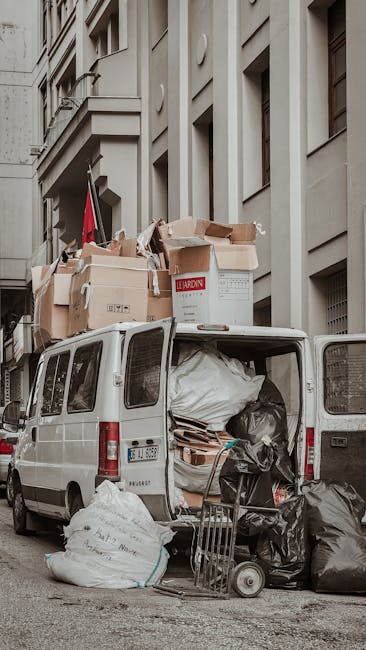
Estate clearances can feel heavier than a normal rubbish job.
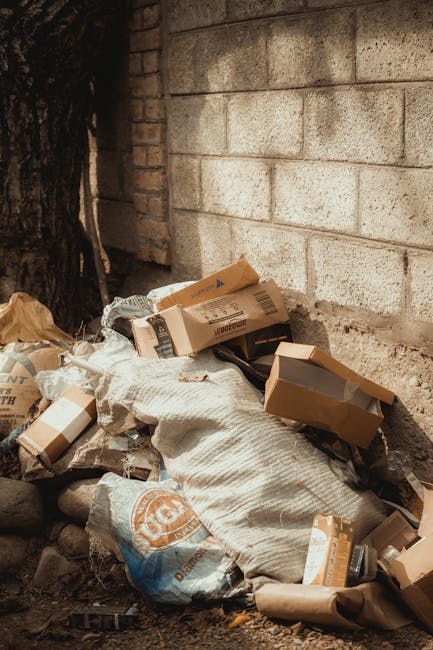
If you live, work, or rent close to Balham Station, rubbish has a way of building up faster than...

If you live or work near Balham High Road, rubbish has a way of building up faster than you expect.
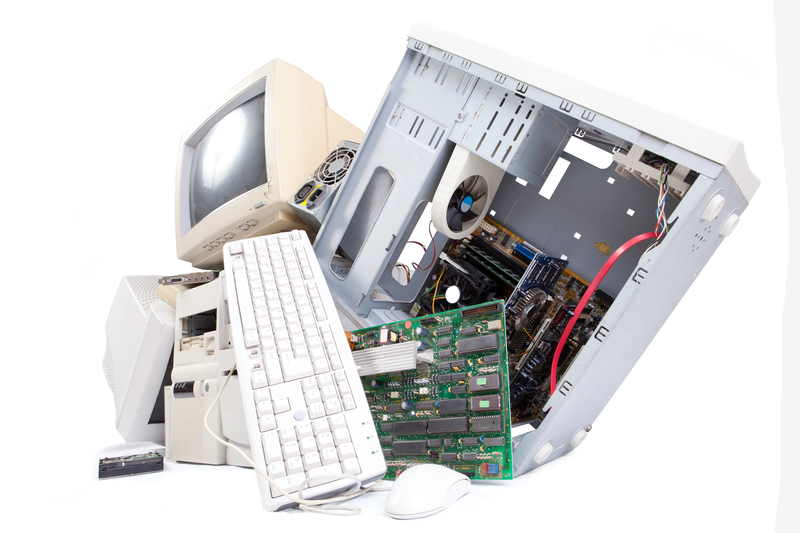
Balham, a vibrant neighborhood in South West London, has emerged as a sought-after destination...

Balham, a vibrant area in South London, is well-known for its lively ambiance, cultural...

Balham, a charming district in South London, has become increasingly popular over the years. But...

Balham, a bustling neighborhood in the south of London, is often overlooked by tourists and even...
Balham, a thriving suburban area in South West London, has become a popular choice for homebuyers...

 (72)
(72)
Please fill out the form below to send us an email and we will get back to you as soon as possible.