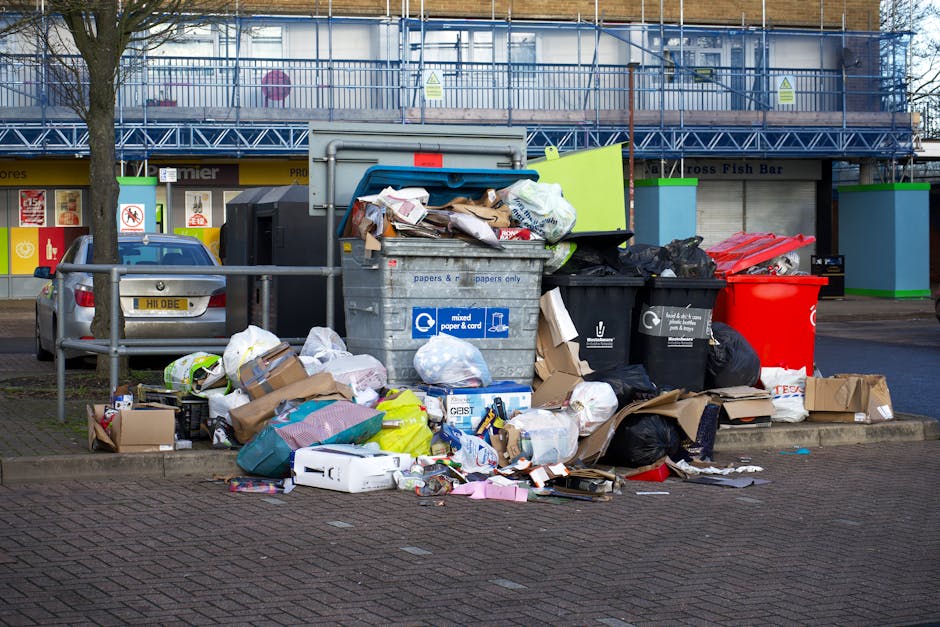
Balham SW12 guide to rubbish clearance on Balham High Road
Posted on 04/07/2026
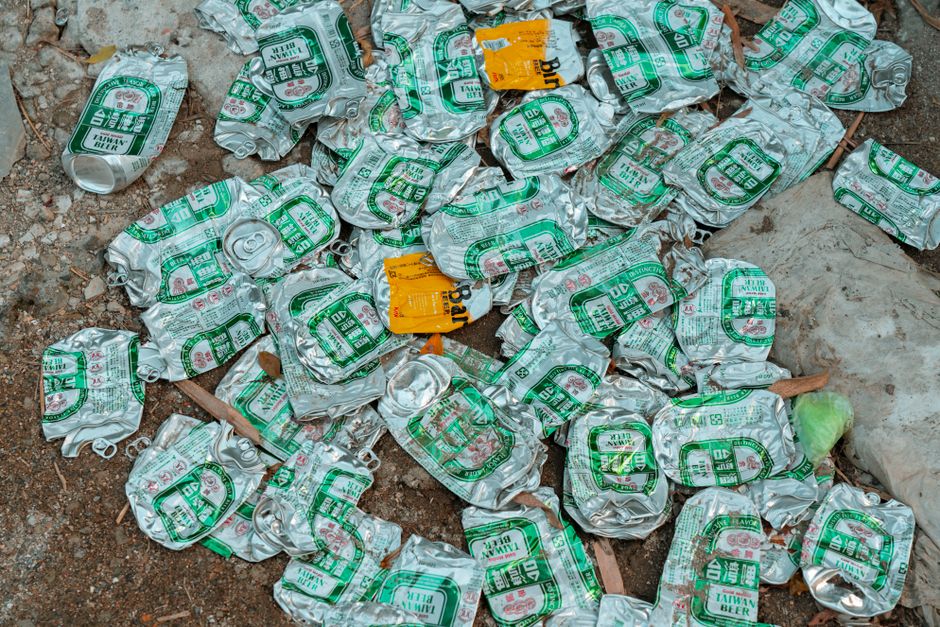
If you live or work near Balham High Road, rubbish has a way of building up faster than you expect. One week it's a broken wardrobe, a pile of flat-pack packaging, and a few bags from a clear-out; the next, the hallway starts looking like a storage room nobody asked for. This Balham SW12 guide to rubbish clearance on Balham High Road is here to make the process clearer, calmer, and a lot less annoying. You'll find out how rubbish clearance works locally, what to expect, which service type fits different situations, and how to choose a provider without getting caught out.
Balham is busy, residential, and always moving. That matters because rubbish clearance here is not just about "getting rid of stuff" - it's about timing, access, parking, safety, recycling, and making sure waste is handled properly. Let's break it down properly.
- Why rubbish clearance on Balham High Road matters
- How the clearance process works
- Key benefits and practical advantages
- Who needs it and when it makes sense
- Step-by-step guidance
- Expert tips for better results
- Common mistakes to avoid
- Tools, resources and recommendations
- Law, compliance and best practice
- Options and comparison table
- Case study example
- Practical checklist
- Conclusion
- Frequently asked questions
Why Balham SW12 guide to rubbish clearance on Balham High Road Matters
Balham High Road sits right in the middle of everyday life in SW12. Shops, flats, cafes, shared houses, small businesses, and older homes all create different kinds of waste. That mix is exactly why rubbish clearance here deserves a bit of thought rather than a last-minute dash with whatever bags will fit in the boot.
The local layout also changes the job. Parking can be tight, loading areas may be limited, and collection times often need to work around traffic, neighbours, and access to front doors or communal entrances. If you have ever tried moving a bulky sofa down a narrow stairwell while someone downstairs is trying to get past with shopping, you'll know the vibe. Not ideal.
Good rubbish clearance matters for three reasons. First, it helps keep your property safe and usable. Second, it reduces the risk of fly-tipping or incorrect disposal. Third, it saves time and, often enough, stress. The right approach also supports recycling and recovery, which is a real benefit when you want waste handled responsibly rather than dumped and forgotten.
For Balham residents, landlords, shop owners, and renovation teams, the point is simple: clearance is not just a tidy-up. It's part of running a home or business smoothly in a busy part of London. If you want a broader view of the company side of things, the about us page gives useful background on how a local waste service approaches work in the area.
Practical takeaway: on Balham High Road, rubbish clearance works best when access, timing, and disposal method are planned together. That small bit of planning saves a lot of hassle later.
How Balham SW12 guide to rubbish clearance on Balham High Road Works
Most rubbish clearance jobs follow a fairly simple pattern, but the details matter. In practice, the process usually begins with a description of what needs removing, followed by a quote or estimate, then a collection window, and finally the loading, transport, and disposal stage.
For a flat clearance, you might need crews to remove old furniture, bagged waste, boxes, white goods, or a mix of general household items. For a small business on or near Balham High Road, the job may involve office furniture, packaging, stockroom waste, or periodic commercial waste. If you are dealing with renovation debris, the load could include plasterboard, timber, tiles, and mixed builders' waste that needs handling carefully.
In many cases, the team will assess volume and weight, and sometimes also access. That sounds straightforward, but it really isn't when there are tight staircases, controlled parking zones, or awkward back entrances. A quick photo or a clear description can make all the difference.
It also helps to understand the service categories available. A general overview of typical service types is set out on the services overview page, while more specific needs may be better matched with domestic waste collection in Balham, commercial waste removal in Balham, or builders waste removal in Balham.
One thing people sometimes miss: clearance is not always the same as council bin collection. Rubbish clearance is generally a one-off or ad hoc service for larger volumes, awkward items, or mixed loads that need manual labour and transport. That makes it useful when the contents of your property are beyond what normal bins can handle. Which, to be fair, happens more often than people like to admit.
Key Benefits and Practical Advantages
The main benefit of professional rubbish clearance is obvious: your waste disappears, and your space comes back. But there are some subtler advantages too.
- Speed: A team can often clear bulky or mixed waste far faster than you could manage on your own.
- Less physical strain: No dragging heavy items down stairs or loading sharp rubble by hand.
- Better sorting: Reusable, recyclable, and non-recyclable materials can be separated more efficiently.
- Cleaner finish: A proper clearance should leave the space swept and usable, not just "mostly empty".
- Reduced risk: Fewer chances of injury, damage to walls, or accidental disposal problems.
- Flexibility: Services can often be tailored for homes, landlords, shops, or building projects.
There's also a real peace-of-mind factor. If you are clearing a property before a sale, preparing for tenants, or trying to get a room back to a usable state, the mental relief is noticeable. You walk in afterwards and think, oh, that's better. The room breathes again.
For anyone comparing what kind of waste needs specialist handling, it can help to look at dedicated services like furniture removal, garden waste removal, and white goods and appliance disposal. Matching the service to the job is usually the smartest move.
Who This Is For and When It Makes Sense
This kind of rubbish clearance is useful for a surprisingly wide range of people in SW12. If you own a flat near the High Road, manage a rental, operate a shop, or are mid-way through a refurbishment, you are probably in the right territory.
Typical situations include:
- End-of-tenancy clearances
- Loft, garage, or basement clear-outs
- Furniture replacements and bulky item removal
- Post-refurbishment rubbish and packaging
- Shop refits or office changes
- House moves where unwanted items need to go quickly
- Garden tidy-ups after seasonal maintenance
It makes sense when the waste is too bulky, too mixed, or too time-sensitive for ordinary disposal. It also makes sense when you want a proper receipt trail, responsible handling, and a team that understands access issues around a busy London road.
For landlords and agents, speed and consistency are often the deciding factors. For homeowners, it may be more about convenience and physical practicality. For business owners, there's usually a fourth factor too: keeping the shop floor or back room clear so trading isn't interrupted. That can be the difference between "we'll deal with it later" and "this needs sorting today".
If you are clearing a larger property, the dedicated house clearance in Balham service is often the better fit than a general one-off collection.
Step-by-Step Guidance
If you want rubbish clearance on Balham High Road to go smoothly, a bit of structure helps. Here is the process I'd recommend.
- Identify what needs removing. Separate general waste, furniture, electrical items, green waste, and construction debris if you can.
- Estimate the volume. A few bin bags is very different from a full room or a van load. Be honest here. It saves everyone time.
- Check access. Note stairs, lifts, entry codes, parking limitations, and any heavy or awkward items.
- Request a quote. A clear description and a few photos usually help produce a more accurate price.
- Confirm what is included. Ask whether labour, loading, sweep-up, and disposal are part of the quote.
- Prepare the items. Put smaller waste together, unplug appliances, and leave bulky items accessible if possible.
- Keep pathways clear. This reduces delays and lowers the risk of knocks or scratches.
- Ask about sorting and recycling. A responsible provider should be able to explain how waste is handled.
- Check the finish. Once the clearance is done, inspect the area briefly before everyone leaves.
For commercial clients, the same logic applies, though there is usually more emphasis on scheduling and discretion. A shop on Balham High Road does not always want a noisy, drawn-out removal at peak footfall time. Fair enough.
When price matters, it is worth reviewing the provider's pricing and quotes information before booking. That can help you understand how estimates are built and what might affect the final figure.
Expert Tips for Better Results
Here are a few practical tips that make a real difference, and not just on paper.
- Photograph the waste before you book. Pictures reduce misunderstandings, especially for bulky mixed loads.
- Separate electricals from general rubbish. It makes sorting easier and avoids confusion on the day.
- Tell the team about access quirks. A locked gate, narrow hallway, or no-lift building matters more than people think.
- Bundle similar materials together. It speeds up loading and sometimes improves recycling outcomes.
- Book before a deadline. If you have a moving date, landlord inspection, or builders arriving, leave a little buffer. Things do slip.
- Ask how waste is managed after collection. A professional provider should be able to explain recycling and disposal routes in plain English.
One small but useful habit: keep a running "clear-out" pile rather than waiting until the end of a project. It avoids the classic last-minute scramble where everything gets dumped into one corner and nobody can remember what is what. We have all seen that corner. It grows.
If sustainability matters to you - and it should, really - read more about the company's approach to recycling and sustainability. That gives you a better sense of how waste reduction and material recovery fit into the service.
Common Mistakes to Avoid
Most rubbish clearance problems are preventable. The usual issues are not dramatic, just frustrating.
- Underestimating the amount of waste. A "few bags" can turn into a full van load very quickly.
- Forgetting access details. Poor access can slow the job and may affect pricing.
- Mixing restricted items with general waste. Some items need special handling, so it is better to flag them early.
- Choosing only on price. The cheapest option is not always the best if it lacks proper handling or insurance.
- Leaving rubbish in the wrong place. Don't block communal routes or pavements while waiting for collection.
- Assuming disposal is automatic. Responsible removal means proper transport, sorting, and handling, not just tipping things somewhere.
There's also a quieter mistake: not asking what happens if the scope changes on the day. If the team arrives and discovers there is more waste than planned, it helps to know whether the quote can be adjusted clearly and fairly. That conversation is much easier before the van is half loaded.
Tools, Resources and Recommendations
You do not need fancy equipment to prepare for rubbish clearance, but a few simple tools help.
- Heavy-duty bags or boxes: Good for smaller loose waste and mixed contents.
- Tape and labels: Helpful if you are sorting items for disposal, reuse, or donation.
- Gloves: Worth using when handling dusty, sharp, or awkward items.
- Measuring tape: Useful for bulky items like wardrobes, sofas, and appliances.
- Phone camera: Still one of the best tools for getting an accurate quote, oddly enough.
If you need a more tailored service, the most relevant starting points on this site may be domestic waste collection Balham, furniture removal Balham, and builders waste removal Balham. For larger business jobs, commercial waste removal Balham may be a better fit.
It is also worth checking the company's operating standards. Pages covering insurance and safety and waste carrier licence and compliance are useful indicators of how seriously a provider treats the basics. Not glamorous, but very important.
Law, Compliance, Standards, or Best Practice
Rubbish clearance touches on compliance in a very practical way. You do not need to memorise regulations, but you should know the basics.
In the UK, waste should be handled by someone who is properly authorised to carry it, and it should be disposed of responsibly. If you are paying a company to remove rubbish, it is reasonable to expect that they can explain how they manage transfer, disposal, recycling, and any specialist waste streams. If something sounds vague or evasive, that is a red flag. Simple as that.
Best practice also means:
- using a carrier who can explain their credentials clearly
- separating hazardous or specialist items where required
- avoiding fly-tipping risks by never handing waste to an unverified operator
- protecting communal areas, neighbours, and public spaces during loading
- keeping records or confirmation for business waste where needed
For businesses, the stakes can be higher because waste management is part of day-to-day operations. If you are handling shop or office waste near Balham High Road, it makes sense to check the provider's service terms and security arrangements too, including payment and security and terms and conditions.
There is a broader ethical dimension as well. Responsible waste services should pay attention to labour standards and supply-chain conduct. If that matters to you, the modern slavery statement is worth a look.
Options, Methods, or Comparison Table
Different rubbish clearance methods suit different jobs. Here's a simple comparison to help you choose without overthinking it.
| Method | Best for | Advantages | Limitations |
|---|---|---|---|
| DIY disposal | Very small amounts of waste | Lowest upfront cost if you already have transport | Time-consuming, physically demanding, limited by access and legal disposal rules |
| Van-based rubbish clearance | General household, mixed items, bulky waste | Fast, flexible, suited to most local jobs | Needs accurate quoting and proper access planning |
| Specialist service | Furniture, appliances, garden waste, builders' waste | Better handling of specific materials, often more efficient | May require clearer item descriptions or separate booking |
In a Balham High Road setting, the second option tends to be the most versatile. It works for flats, terraces, shops, and smaller refurbishment jobs without making the whole thing a production. Still, if you know your waste is mostly one category - say a stack of office chairs or old kitchen units - a more specialised route can be smarter.
Case Study or Real-World Example
Picture a typical Saturday on Balham High Road. A first-floor flat above a busy shop is being emptied before new tenants move in. The main items are a worn sofa, a mattress, two bookcases, mixed bags from the kitchen, and a washing machine that no longer works. The hallway is narrow, the stairs turn sharply at the top, and parking is not exactly generous.
Now compare two approaches. In the first, the resident tries to handle it alone, hires a car, makes several trips, and ends up with a sore back, some scratched paintwork, and a stack of waste that still needs sorting. In the second, they send photos, mention the stairs, and book a clearance service that plans the lift, loading, and disposal in one visit. The job gets done faster, the flat is left clear, and the resident spends the rest of the day doing something far more sensible, like having a tea and taking a breath.
That's the real value here. Not magic. Just less friction.
For a broader sense of the local environment and why timing matters around the High Road, the posts on what locals think about living here and Balham's more tranquil side can be useful context if you are planning a move or a clear-out around local routines.
Practical Checklist
Use this before booking rubbish clearance on or near Balham High Road.
- List every item or type of waste you want removed
- Estimate the amount as accurately as you can
- Take photos of bulky or awkward items
- Check access, stairs, lifts, and parking
- Separate furniture, electrical items, and general waste if possible
- Flag any potentially specialist items in advance
- Ask whether loading, sweep-up, and disposal are included
- Confirm collection time and any arrival window
- Review the provider's compliance, insurance, and waste handling approach
- Make sure pathways and entrances are clear on the day
If you are managing a bigger clear-out, a little preparation goes a long way. Honestly, it often turns a stressful afternoon into something almost easy.
Conclusion
Balham High Road is a lively place, and rubbish clearance here works best when it is planned with the realities of local access, property type, and waste volume in mind. Whether you are clearing a flat, refreshing a shop, removing old furniture, or dealing with renovation debris, the smart approach is the same: describe the job well, check the service fit, and make sure the waste is handled properly.
The good news is that once you understand how local clearance works, it gets much simpler. You do not need to overcomplicate it. Just pick the right service, prepare the space, and choose a provider that treats safety, compliance, and recycling as part of the job, not an afterthought.
Get a free quote today and see how much you can save.
And if you're staring at a pile of unwanted stuff right now, well, you're not alone. It happens. The trick is simply getting it out of the way so your space can feel like yours again.